
The Aha Student Fellowship · Cohort One · India
A Promisethe WorldMade
In 2015 every UN member state promised to promote mental health and well-being by 2030. The Aha Student Fellowship is a 12-week paid fellowship training students across India to close the distance between people and the support that already exists.
Applications close 20 August 2026
12 weeks · 12 hrs a week · monthly stipend · any discipline · any university in India · no psychology background
01The promise
Every generation inherits a different world.
In September 2015, every United Nations member state, India among them, adopted the 2030 Agenda for Sustainable Development. Buried in the third of its seventeen goals is a clause that took decades of advocacy to get written down at all.
For the first time, mental health stopped being a private difficulty and became a public commitment with a date attached.
promote mental health and well-being
The generation now sitting in Indian classrooms is the one that will be in the workforce when the clock runs out, and it is also the generation carrying most of the weight in the meantime.
02The gap we can no longer ignore
The conversation around mental wellbeing has become louder. Access has not.
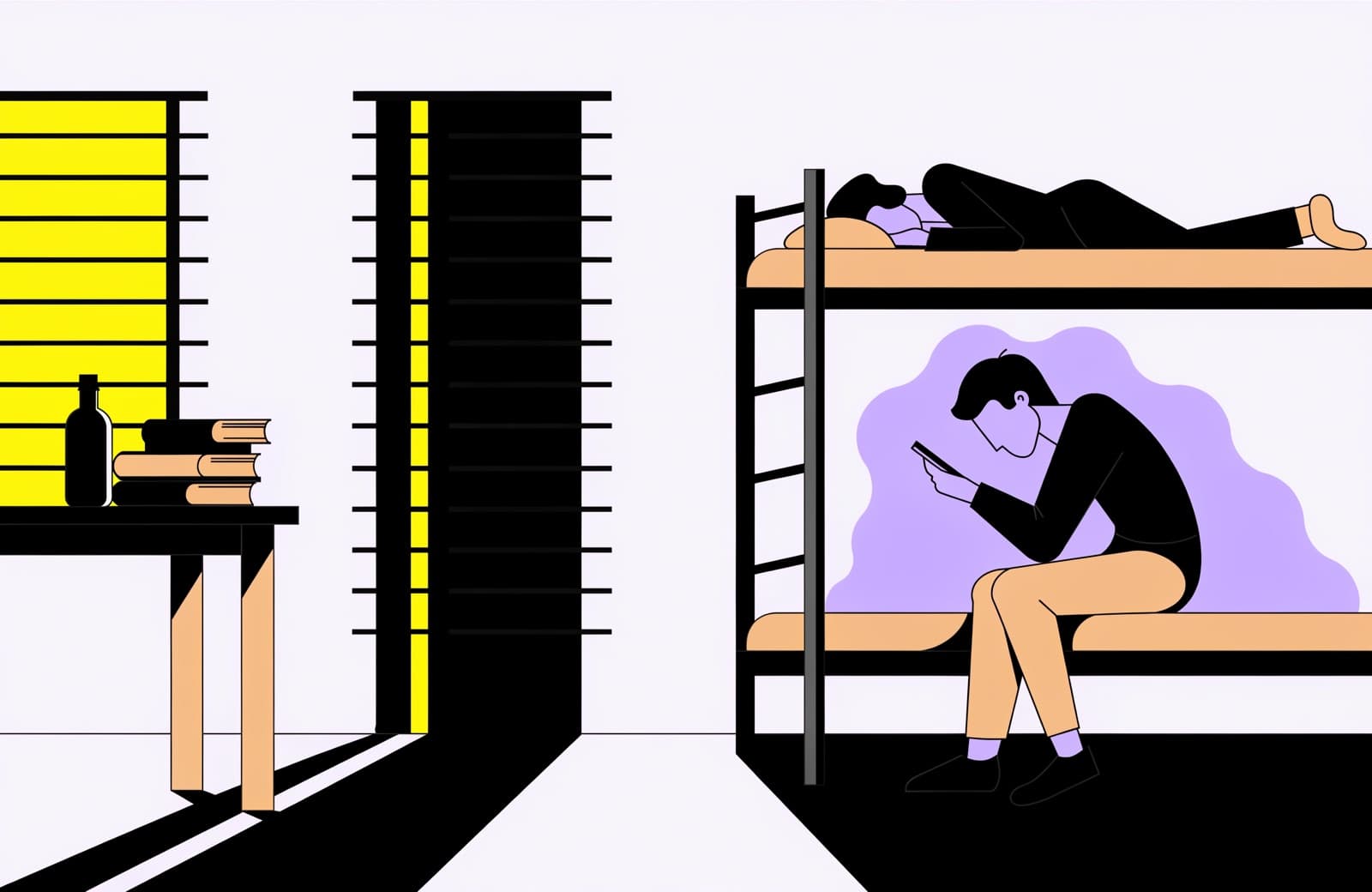
Global targets fail quietly, in the space between a service existing and a person reaching it. In India that space has been measured. The National Mental Health Survey, run by NIMHANS across twelve states, remains the country’s only completed nationwide study of its kind.
Sometimes because they are unaware. Sometimes because they are unsure. Sometimes because stigma still holds. Sometimes because they simply need another human being who understands what they are going through.
10.6% of Indian adults live with a diagnosable mental disorder, on the only completed nationwide survey of its kind.
10.6%
The treatment gap runs from 70% to 92% across disorders, and sits above 85% for depression and anxiety.
70–92%
An estimated 150 million people need care. Under 30 million seek it.
150M
Source — NIMHANS National Mental Health Survey · Advancing UN Sustainable Development Goal Target 3.4
03Where global goals meet local communities
Conversations about mental wellbeing rarely begin inside a counselling room.
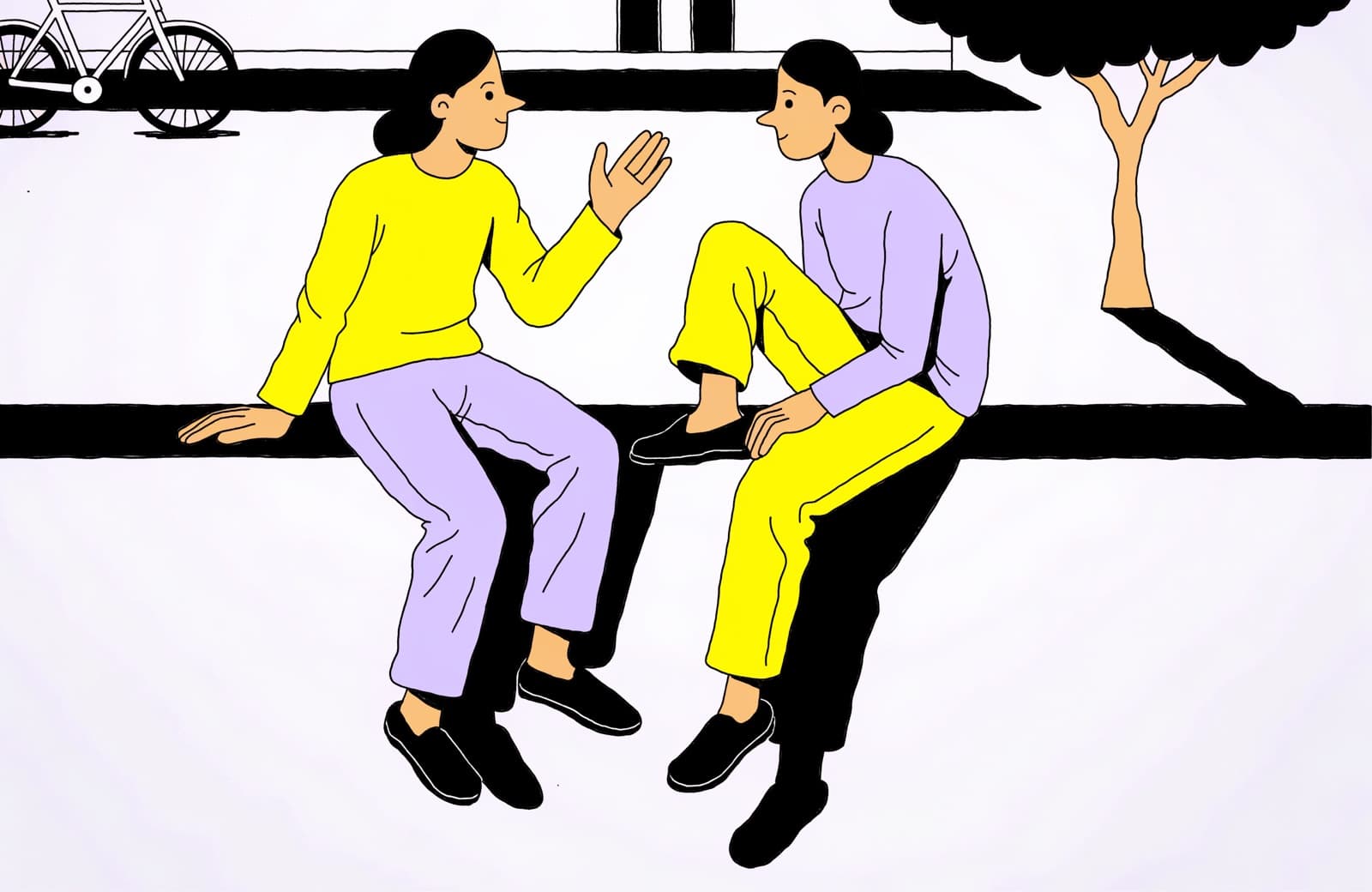
They begin inside friendships. Inside classrooms. Inside hostels. Inside workplaces. Inside communities.
If you wanted to find the single largest concentration of young Indians in one type of place, at the exact age when most mental health conditions first appear, you would end up on a campus.
- 4.33 crore
- students enrolled in higher education
- 1,168
- universities
- 45,473
- colleges
That is the delivery network India already owns. What most of it does not have is anyone whose job is to close the distance between a struggling student and the support that exists.
04Where the Aha Fellowship begins
What if we invested in young people not just as participants, but as leaders of change?
Global health has a name for the underlying idea. Task sharing means training non-specialists to do the parts of the work that do not require a specialist, so a thin professional workforce can reach further.
The Aha Fellowship applies the same logic one step earlier in the chain, to promotion, awareness and signposting rather than to care itself. Not by replacing mental health professionals, but by strengthening the bridge between people and the support already available.
It does not exist to create volunteers, or event organisers, or people who complete activities and move on. It exists to build a generation of mental wellbeing leaders who carry this work wherever life takes them.
05Communities create movements
History moves forward because ordinary people choose to care about extraordinary ideas.
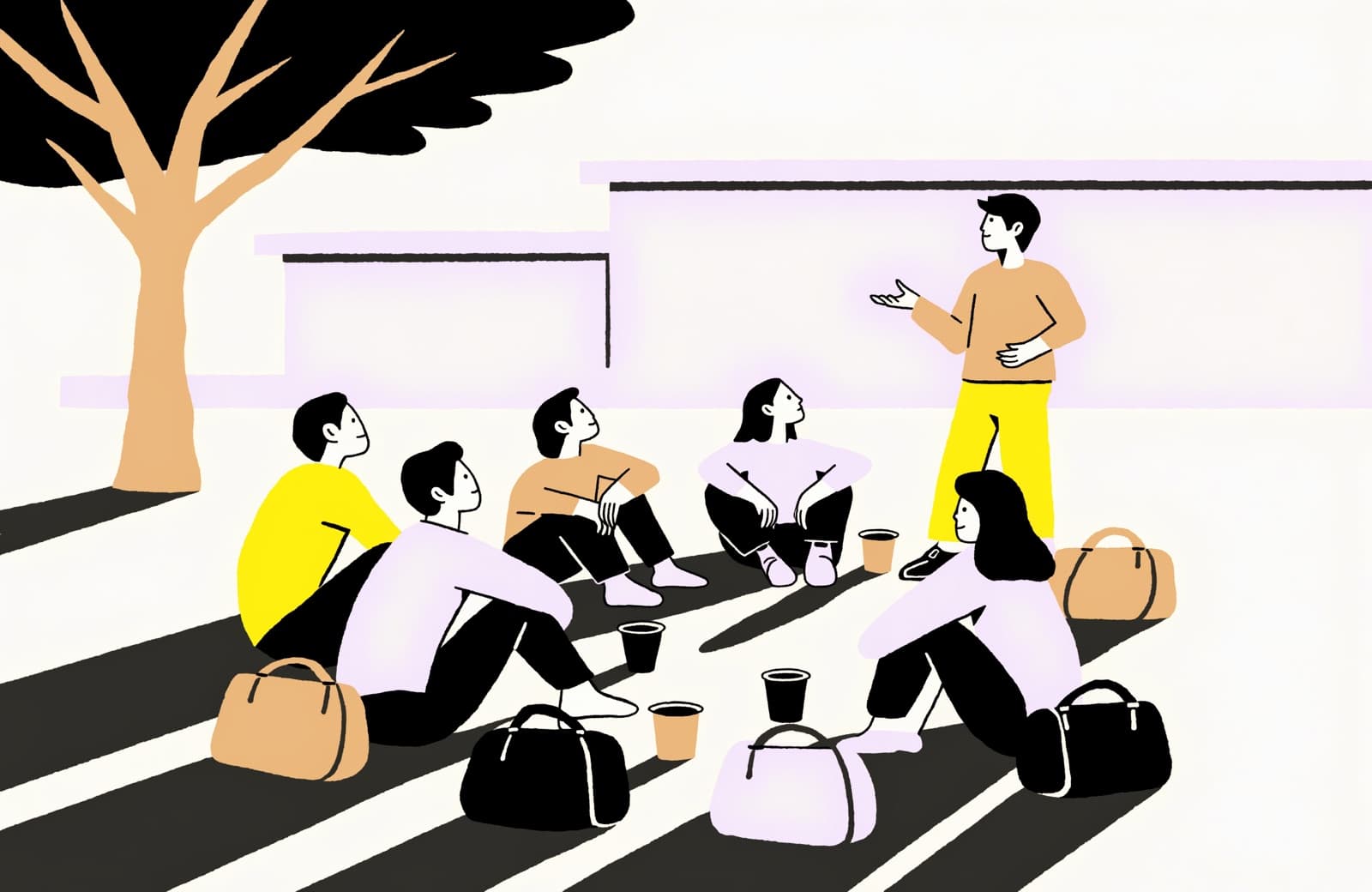
Lasting change rarely begins with institutions. It belongs to communities that learn together, support one another, and choose to care. People who question what everyone else accepts. People who choose empathy over indifference. People who listen before they speak.
Real change happens when a community takes ownership of its own wellbeing. When people know where support exists. When they know how to guide someone towards it. When asking for help feels natural instead of intimidating.
06Not events. Environments.
Events and campaigns are tools, not outcomes.
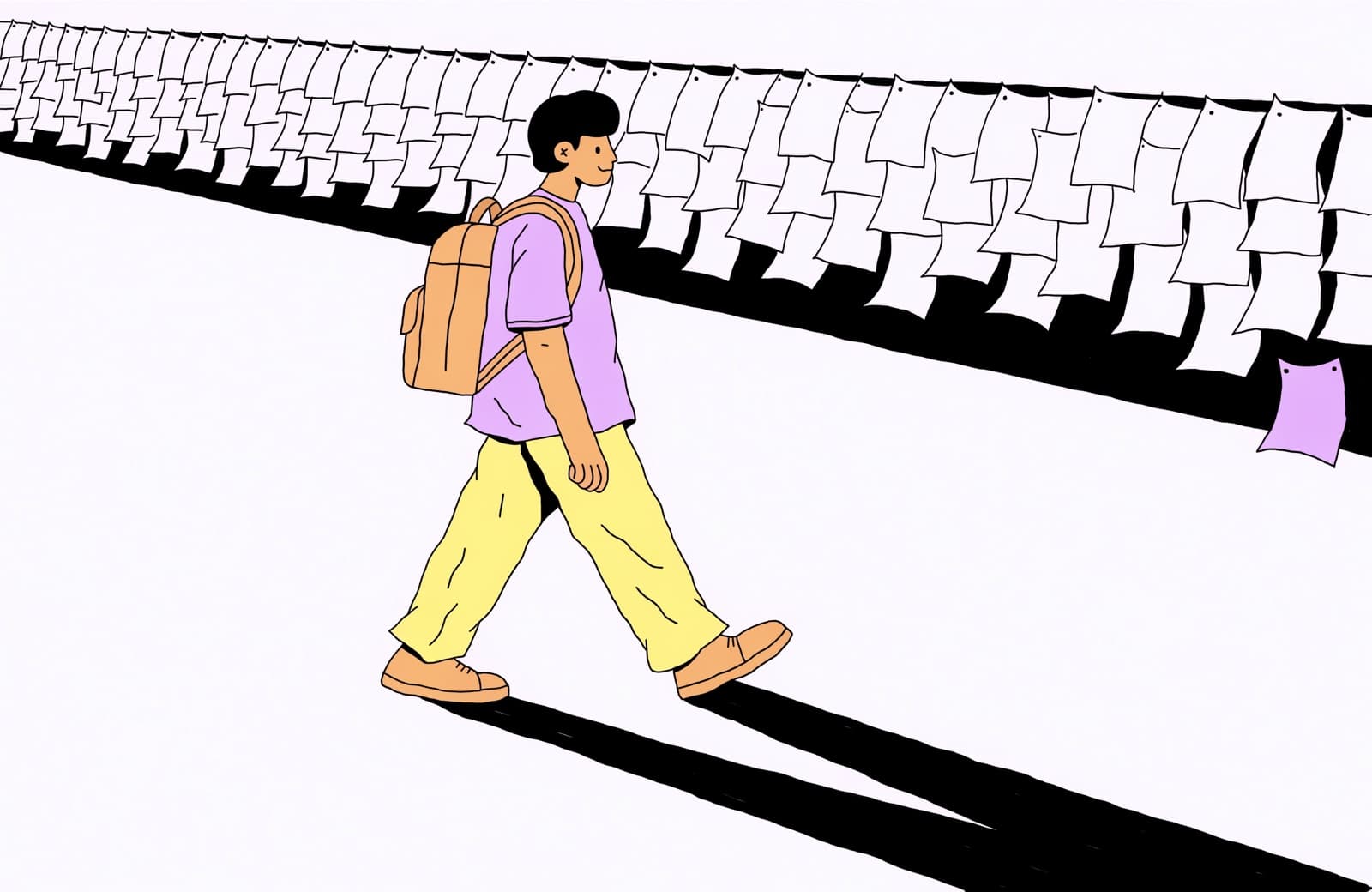
The real work of an Aha Fellow runs deeper than a calendar of activities.
- 01
Open the conversation
Create spaces where mental wellbeing is discussed openly, with less stigma.
- 02
Close the distance
Help people find support that already exists and currently never reaches them.
- 03
Build the community
Bring together students, educators and staff around a shared purpose, and lead a volunteer team that keeps it running.
07Beyond campuses
The fellowship has an end date. The community should not.

Every fellow joins at one stage of their life and leaves carrying something more durable than a title. A way of thinking. A way of leading. A way of building community wherever they land next: their workplace, their neighbourhood, their friendships, their future organisation.
The campus is where the journey begins. It is not where the impact ends.
08A world we want to build
Imagine a world where every community has someone who knows how to start the conversation.
A world where mental wellbeing is not confined to awareness campaigns or annual observances, but becomes part of everyday life. Where asking for help feels natural. Where communities know how to care for one another. Where global commitments become lived experiences.
We know this future will not be built overnight.
The fellowship will end. The community will not. Neither does the impact.
The world made a promise. We believe young people can help fulfil it.
A global commitment. Local action. Community-led change.
What you are signing up for
- Duration
- 12 weeksOne cohort, start to finish.
- Commitment
- 12 hrs / weekDesigned to sit alongside a full-time course.
- Stipend
- MonthlyBased on fellowship guidelines and participation.
- Eligibility
- Any disciplineNo psychology background required.
- Institution
- Any universityNo partnership needed. You apply as an individual.
- Format
- Campus + onlineCommunity work on campus, training centrally online.
- Your team
- ~10 volunteersThe Aha Community you build and hand over.
- On completion
- CertificateLetter of Recommendation earned, not automatic.
- Applications close
- 20 August 2026Cohort One.
Questions
What might stop you, and what actually would.
Eligibility & applying
Who can apply?+
Any student in India who wants to make mental wellbeing more accessible in their own community. Applications are open nationally, across every academic discipline, because creating change is not limited to one field of study.
Do I need a background in psychology or mental health?+
No. Fellows come from any discipline and the training assumes no prior background. What the programme needs is judgement, consistency, and a willingness to keep learning.
Does my university need to be partnered with Aha?+
No. You apply as an individual, from any university in India. Once selected, part of your work is building the relationship with the right staff counterpart on your own campus — with support from the programme team.
How are fellows selected?+
Applications are reviewed holistically. We are less interested in a perfect résumé and more interested in curiosity, initiative, accountability, and a genuine desire to create change.
When do applications close, and how do I apply?+
Applications for Cohort One are live now and close on 20 August 2026. Apply through the official application form.
The work itself
Will I be counselling other students?+
No. This is explicitly not a peer counselling or crisis support programme. Fellows advocate, organise, and connect people to professional support. They do not provide it.
What should I do if someone I'm working with is in crisis?+
You are trained specifically for this. Fellows are equipped to recognise when someone needs professional support and to connect them to it immediately — including campus counselling services and the national Tele-MANAS helpline (14416). You are never expected to manage a crisis yourself, and knowing where that line sits is one of the first things covered in training.
What is an Aha Community?+
The volunteer group you build and lead on your campus. Fellows work towards bringing in around ten volunteers who run activities alongside them. It is the structure that lets the work continue after your term ends.
What if I can't find ten volunteers on my campus?+
Ten is the working model, not a bar you clear before you can begin. Your mentor helps you build at a pace that fits your campus, and learning how to recruit and lead a team is part of the training itself. Fellows are not expected to arrive already knowing how to do this.
Does the community continue after I graduate?+
That is the intention behind the design. The community is meant to be handed over rather than shut down, so it keeps running under new student leadership after your term ends. Cohort One is the first real test of whether that handover works, and it is one of the things being measured.
Is this only for college campuses?+
The fellowship begins on campuses because that is where many young leaders begin. The vision extends well past graduation — into workplaces, neighbourhoods, and every community a fellow later becomes part of.
Time, terms & support
How much time does this really take?+
Twelve hours a week across twelve weeks. That covers training sessions, mentorship check-ins, and the time you spend building and running your campus community. It is designed to sit alongside a full-time course, not replace it.
Is it remote, on campus, or a mix?+
The work itself happens on your own campus — building trust and a physical community is the point. Training, mentorship, and cohort-wide sessions run centrally and online, so fellows across different campuses take part without travelling.
Will I receive training?+
Yes. Every fellow goes through structured onboarding and receives training, mentorship, and practical guidance from experienced professionals. Meaningful leadership begins with learning.
Is there a stipend?+
Yes. Fellows receive a monthly stipend, based on the fellowship guidelines and successful participation.
Will I receive a certificate or a Letter of Recommendation?+
Fellows who complete the term receive a Certificate of Completion. A Letter of Recommendation is not automatic — it is awarded on the basis of documented contribution, so it reflects the work you actually did.
Who can I contact with questions?+
Write to fellowship@ahatherapy.com and the Aha team will get back to you.
Cohort One — applications close 20 August 2026
The world made a promise. We believe young people can help fulfil it.
Any discipline · any university in India · no psychology background · no partnership needed · fellowship@ahatherapy.com